
Human Peroxiredoxin-2 (PRDX2) is a critical antioxidant enzyme that plays a vital role in protecting cells from oxidative stress. Its importance in cellular defense mechanisms, especially regarding reactive oxygen species (ROS), makes it an essential target for research in several fields such as cancer biology, cardiovascular diseases, and neurodegenerative disorders. The Human Peroxiredoxin-2 ELISA is a highly specific and sensitive assay designed to quantify PRDX2 levels in biological samples like serum, plasma, and tissue extracts. This ELISA kit is indispensable for understanding oxidative stress-related pathologies and their molecular underpinnings.
The Importance of PRDX2 in Oxidative Stress
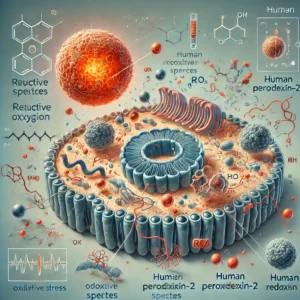
Peroxiredoxins, particularly PRDX2, are essential in reducing hydrogen peroxide and other reactive oxygen species, protecting the cell from oxidative damage. This role is crucial in preventing oxidative stress-induced damage to proteins, lipids, and DNA. For more detailed information on oxidative stress, visit NIH and the resources from the National Center for Biotechnology Information.
Features of Human Peroxiredoxin-2 ELISA
- High Sensitivity: The Human Peroxiredoxin-2 ELISA kit can detect very low concentrations of PRDX2, making it suitable for both basic research and clinical studies. This sensitivity is especially relevant in detecting early markers of oxidative stress, as highlighted by the National Institutes of Health.
- Specificity: This assay has minimal cross-reactivity with other peroxiredoxins or related proteins, ensuring that results are precise and reliable. Research on assay specificity can be further explored on the FDA website, where guidelines for assay validation are provided.
- Wide Range of Applications: The PRDX2 ELISA is used in various research fields, including oncology, cardiovascular studies, and neurodegenerative diseases. Elevated PRDX2 levels are often correlated with tumor growth, atherosclerosis, and Alzheimer’s disease, as discussed in this NIH report.
Applications in Disease Research
The role of PRDX2 as a biomarker for oxidative stress has gained attention in various diseases:
- Cancer Research: PRDX2 has been linked to increased tumor resistance to chemotherapy, as per studies by NCI. Elevated PRDX2 levels are associated with aggressive tumor growth and are considered a potential target for cancer therapies.
- Cardiovascular Studies: Oxidative stress is a well-known factor in atherosclerosis. PRDX2’s ability to neutralize ROS plays a key role in preventing oxidative damage to blood vessels, making it an important biomarker for heart disease research. For more information on cardiovascular oxidative stress, visit CDC’s Heart Disease Research page.
- Neurodegenerative Diseases: In diseases like Alzheimer’s and Parkinson’s, PRDX2 helps mitigate neuronal damage by reducing oxidative stress. Investigations on PRDX2’s role in neuroprotection can be further explored on Alzheimer’s Disease Research Centers.
How the Human Peroxiredoxin-2 ELISA Works
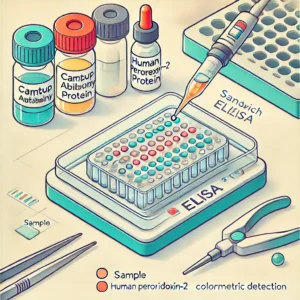
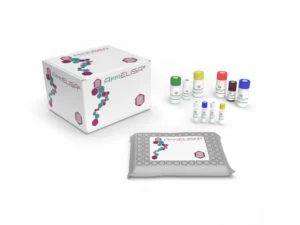
The Human Peroxiredoxin-2 ELISA kit follows the sandwich ELISA principle. The process involves:
- Coating the microplate with a PRDX2-specific capture antibody.
- Adding the biological sample to the wells.
- Incubating with a detection antibody linked to an enzyme for colorimetric detection.
- Measuring the optical density to quantify the PRDX2 levels.
For more detailed steps on ELISA protocols, refer to NCBI’s ELISA Assay Handbook.
Sample Types and Preparation
This ELISA assay is compatible with various sample types, including:
- Serum
- Plasma
- Tissue Homogenates
Proper sample preparation is critical for obtaining accurate results. Resources like NIH’s Biorepository and FDA’s Clinical Trials guidelines provide excellent insights into best practices for biological sample handling.
Key Benefits of Human Peroxiredoxin-2 ELISA
- High Reproducibility: This ELISA kit offers consistent results across different batches and laboratories, making it a reliable tool for longitudinal studies. More information on assay reproducibility can be found on the NIH Reproducibility Initiative.
- Low Cross-Reactivity: This kit demonstrates excellent selectivity for PRDX2, ensuring minimal interference from related proteins. Learn more about assay selectivity at FDA.gov.
- Broad Dynamic Range: The wide detection range of this assay allows for accurate measurement of PRDX2 in both high and low abundance samples. For further reading on dynamic range and assay sensitivity, see the guidelines from the CDC.
Conclusion
The Human Peroxiredoxin-2 ELISA is an invaluable tool for researchers aiming to understand oxidative stress and its role in various diseases. By providing highly accurate and reliable results, this assay enables researchers to delve deeper into the redox mechanisms underlying cancer, cardiovascular diseases, and neurodegenerative disorders. To explore more on PRDX2 research, visit the National Institutes of Health, Food and Drug Administration, and the Centers for Disease Control and Prevention.
This ELISA assay represents a crucial step forward in the pursuit of novel therapies targeting oxidative stress and its role in human health.